Plays by Ian Walker
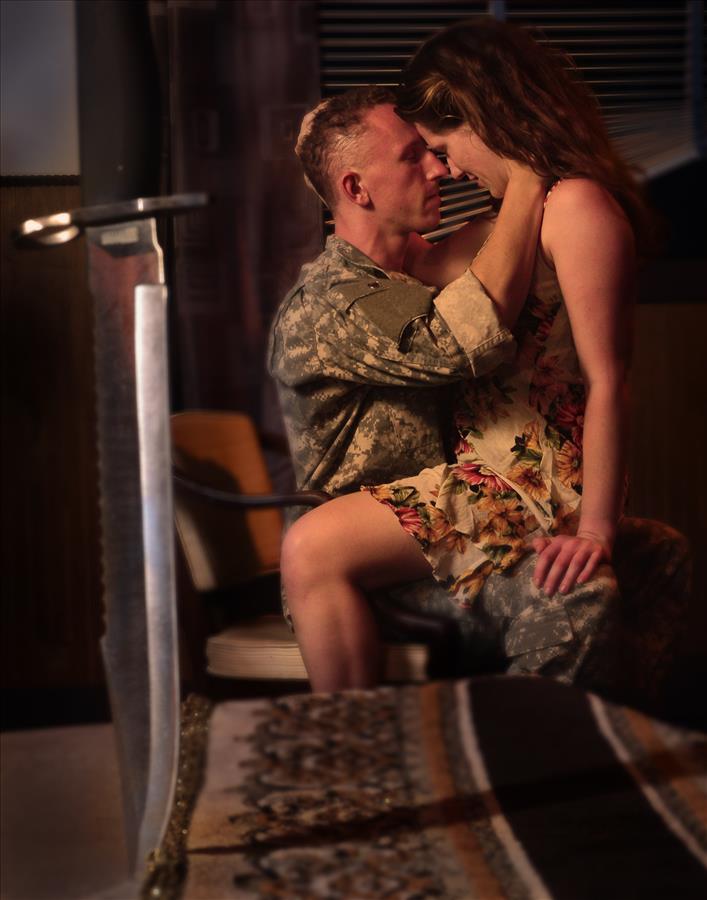
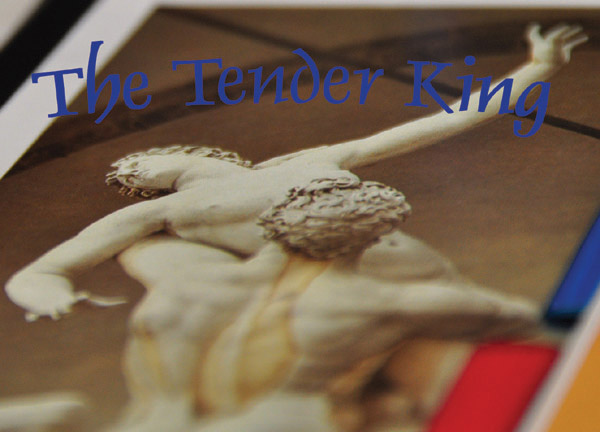
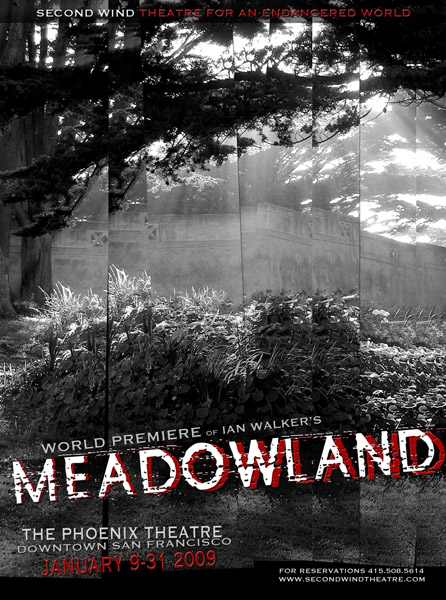
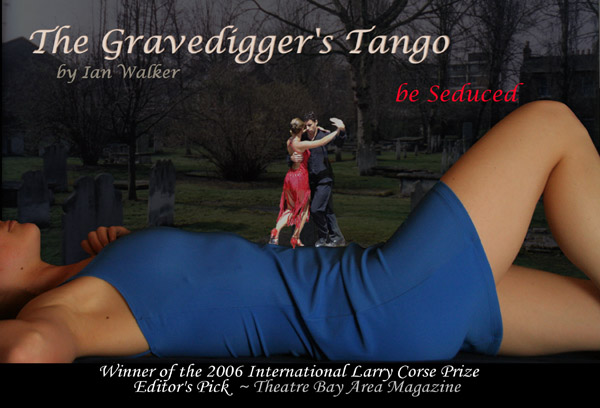
One Drop of Blood is a mirror play to Vigilance-- a re-telling of that story within the African-American community. But an act of viligantism is much different within the Black community. Tyrie, Dick, and Bennie have gotten together under the guise of "poker night" to discuss what to do about their new neighbor, a man who brought drugs and chaos into their middle-class Black community, as are the consequences. After much arguing, re-living the past, and grappling with the future, a plan is presented: they will go to Duncan's house at midnight and threaten to burn it down if he doesn't conform. It utilizes seven actors (5m, 2f) and a single, multi-use set. Eight diners relaxing in that luxurious pause between main course and dessert find themselves at the whim of a devilishly odd Waiter and an unforeseen crossroad in life. Love, both lost and realized, is challenged when four couples are given a "second chance" at life; but if they haven't changed themselves can they alter their fate? God’s Doggerel is a darkly quirky comic romp between the confines of four tables and the universe as elicit desires find unexpected life and consequences. It utilize five males (35-70) and five females (12-70); single setting. and a two sets. A little boy ventures into the Underworld to save his mother, while above the surface a battle rages over the fate of a patch of genetically modified corn... and perhaps the world. In this comic-drama, 8 year old Timmy travels into the Underworld to rescue his mother. The shrunken giant who befriends him, however, may be more trouble than he's worth, summoning the fearsome wrath of Dragons. Meanwhile, a thousand leagues above them, a feisty environmental group and a multinational corporation fight over the ownership of a patch of genetically modified corn threatening the environment. But as time runs out, we learn that not all of their loyalties are as pure as they seem. It utilizes seven actors (3m, 3f) and a two sets. The Disappearance of Mary Rosemary (2011) Based on JM Barrie’s 1920's ghost story, The Disappearance of Mary Rosemary is a mystery about a young girl's disappearance and return. Reset in modern day Louisiana, a returning soldier visits a house purported to be haunted by a woman who committed suicide. The ensuing return to the past follows a young girl who disappeared for weeks on a tiny island, only to return with no idea that time had passed. Years, later her parents tell the story to her fiance. After the birth of their son, her husband takes her back to the island for a "vacation" and she disappears again. It utilizes seven actors (4m, 3f) and a two sets. The Tender King is a startling exploration of the hours surrounding the decision to drop the atomic bomb on Hiroshima. Whatever you think you know about this pivotal time in history is about to challenged. Weaving both the personal and the political, popular mythology and declassified materials, The Tender King is a terrifying, funny, suspenseful, and moving drama about intimacy, sex, and the limits of war. It utlizes three actors (2M, 1F) and a single, multi-use set. To learn more about The Tender King and read sample pages click here. A small town sheriff, the ghost of a brother who died under shadowed circumstances, a forbidden love, and a missing woman weave a tapestry of mystery and deceit. Meadowland deals with in two brothers, one who chose a more righteous path that led him to become sheriff of their small town, the younger-more rebellious and competitive, who married his brother's childhood love and then joined the army to find bigger adventures. It utilizes seven actors (5m, 2f) and a single, multi-use set. The Gravedigger's Tango (2006) Winner of the 2006 International Larry Corse Prize, The Gravedigger's Tango pits "Trick" Bulifant, the scrappy trailer-trash boy hired to exhume a handful of graves, against Laszlo, the cemetery caretaker who's threatening to club anyone who does with a shovel. At stake is a woman's grave with no date of birth or death, but an inscription of ever-lasting love. It utilizes nine actors (6M, 3F) and a single, multi-use set. Learn more about The Gravedigger's Tango and read sample pages here. A Beautiful Home for the Incurable (2004) A Beautiful Home for the Incurable opens the door into the eclectic life of Bunny Temple, an agoraphobe living in New discover that Bunny is the victim of identity theft, the four decide to find the thief for themselves. A play for three male actors (age 28-40) and two women (28-40); single setting. Learn more, read reviews and sample pages here. 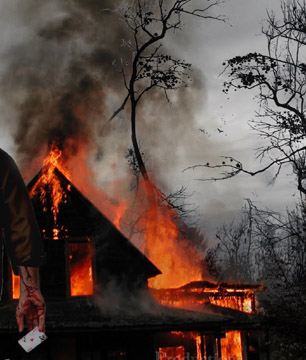
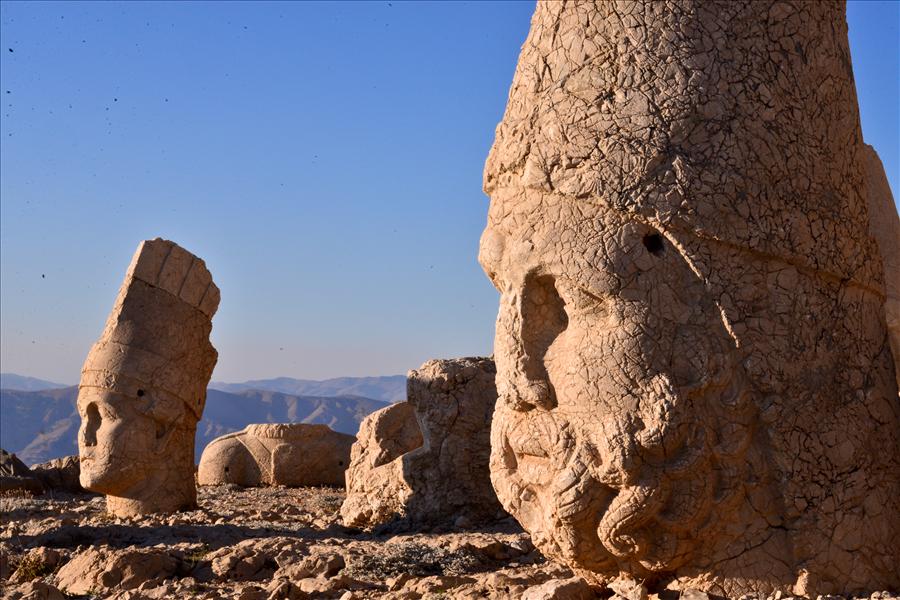

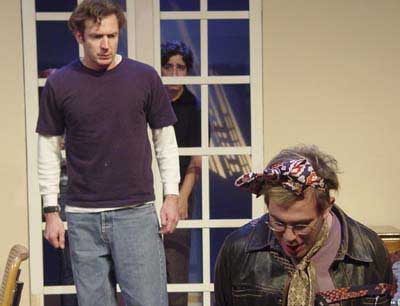
Kaleidoscopic and darkly funny, THE STONE TRILOGY presents three interrelated one-acts that portray the face of love, forgiveness, and oppression in three countries: 
Ghost in the Light (2000)
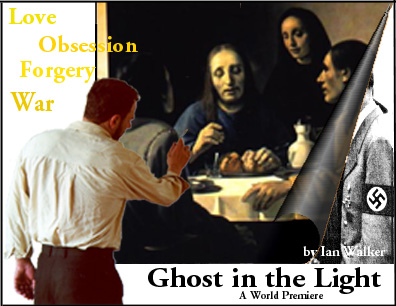 Based on the life of Dutch forger Han Van Meegeren, Ghost in the Light is a richly evocative tale of passion consumed by obsession. Spanning almost two decades of the forger's life, Ghost chronicles the true story of his rise obscure artist to one of the richest men in Holland-- and the revelation that shattered the art world. "An unheralded little gem... terrific," writes The Slant Magazine. Nine actors play seventeen roles: Seven men (ages 25-50); two women ( ages 25-35); multiple sets. To learn more about Ghost in the Light click here.
Bobbie has returned to his impoverished home with the hopes of getting his half of his inheritance before his father dies. He is certain, in fact, that the money is actually in their apartment, that his father has been sleeping with it under his mattress. What his sister, Edie, doesn’t tell him, is that their father has died just two days before. Instead, she sets up a charade whereby she brings him boxes to open, and they search for the money together. As Edie uses the memories found in each box to bring them closer together, to “re-establish” her family, her efforts to romanticize the past pushes Bobby towards a violent realization of the betrayals that brought him to adulthood.